

We help bridge the digital access gaps
We expand access to technology education and digital skills that support workforce readiness, economic mobility, and equitable opportunity. Our impact is measured through real outcomes for individuals and communities.

Our Impact is Measured by Real Outcomes
Over one hundred participants engage annually across technology education and digital skills initiatives
Majority of participants report increased confidence using technology for school, work, or daily tasks
Participants advance toward certifications, continued education, or entry level technology roles
Strong participation from individuals in underserved or under-resourced communities
Modern Life Skills
Percentage Impact


Strengthening Communities and Closing the Digital Divide
Unequal access to technology continues to limit educational and economic opportunities. Efforts focus on reducing these gaps by expanding access to devices, digital training, and technical guidance. Community level impact includes increased engagement in online learning, improved access to essential digital services, and greater participation in workforce and civic systems. These gains support not only individuals, but families and local institutions.
Africa
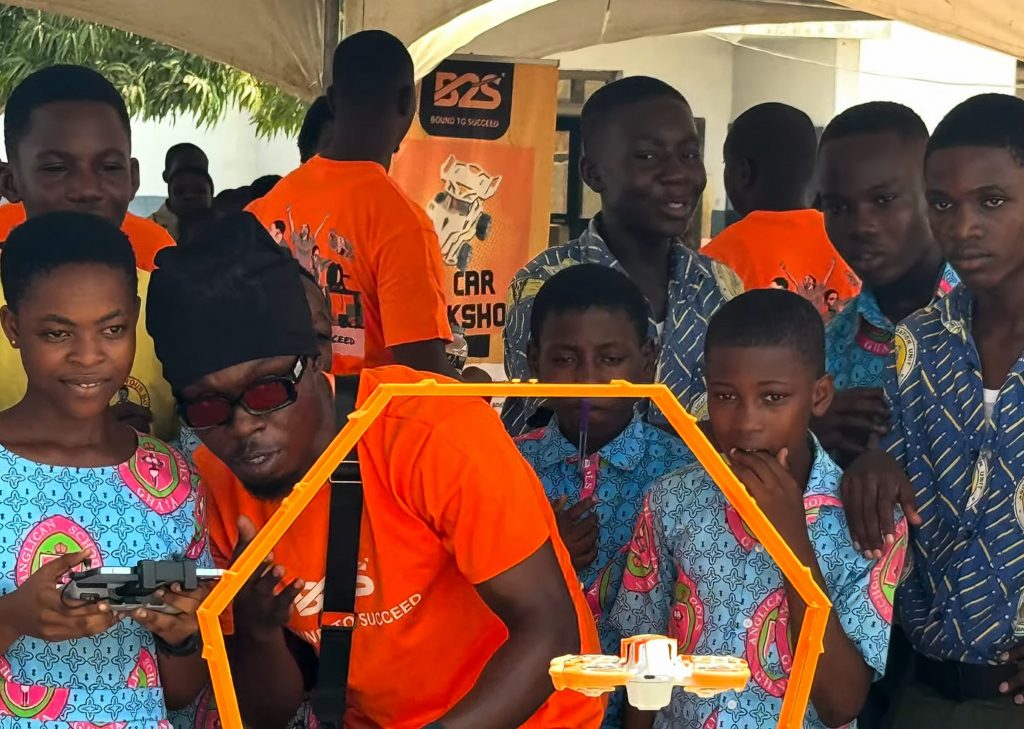
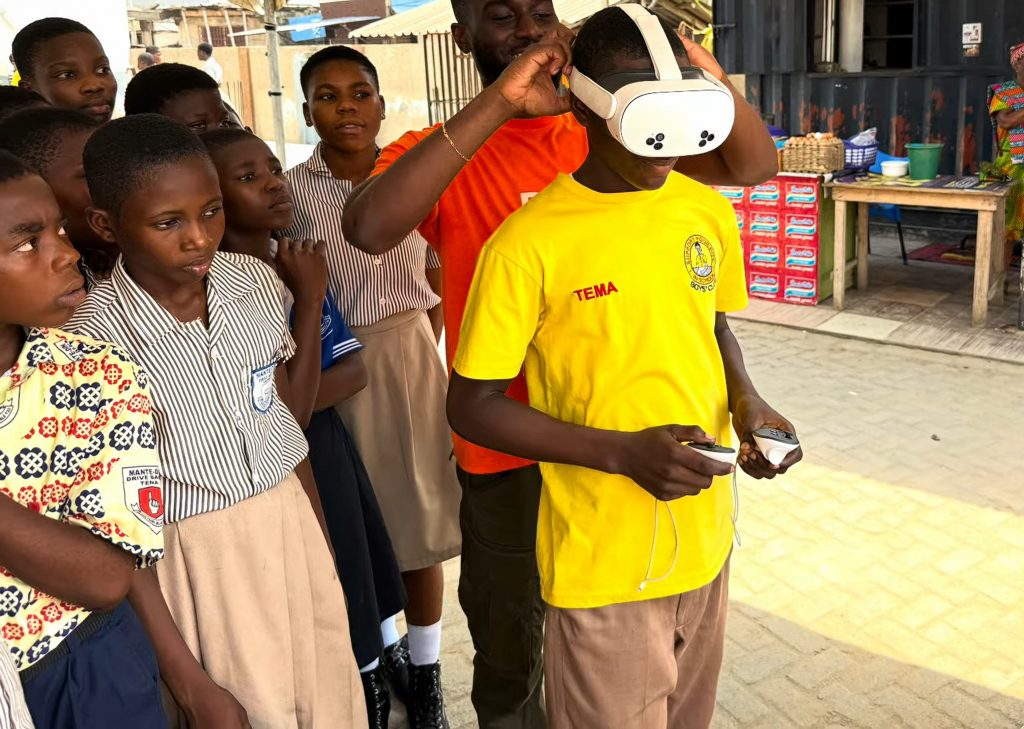
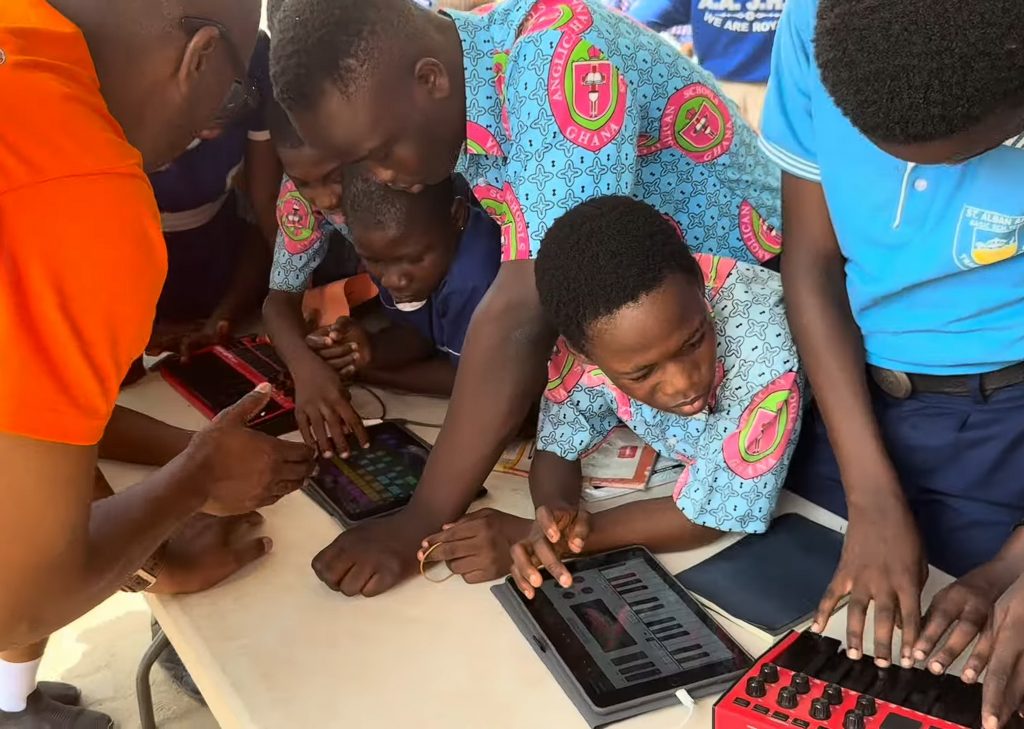
CETAT has had the opportunity to engage youth across Africa through a meaningful global learning experience in Ghana, Cameroon, and Egypt. Students explored technology in ways that connected their local perspectives to a global stage. This experience allowed CETAT to build authentic relationships, support skill development, and gain deeper insight into how young people in different regions learn, create, and lead. The impact extended beyond the program itself, gaining valuable insight on how to design inclusive, culturally responsive learning experiences worldwide.
Hydroponics
CETAT’s hydroponics wall demonstrates how technology can directly improve access to healthy food within the community. By using a space-efficient, soil-free growing system, the wall makes it possible to cultivate fresh produce in environments where traditional gardening may not be practical. This innovation brings food production closer to the people it serves, reducing reliance on distant supply chains and increasing the availability of nutrient-rich greens year-round.